Colon cancer isn’t usually top of mind, especially if you feel healthy and don’t have a family history. For many people, there’s nothing that feels urgent or obvious.
But doctors know something most of us don’t: colon cancer often develops quietly over time. In many cases, it’s preventable through a mix of everyday habits and screening that catches problems early.
Here’s what Kavitha Nair, MD, a gastroenterologist with Community Health Network says matters most.
1. Start Screening at Age 45
This is the prevention step people often put off and the one that makes the biggest difference.
“A colonoscopy isn’t just about finding cancer early,” says Dr. Nair. “It’s about prevention. We can find and remove polyps before they turn into cancer, reducing future risk.”
Medical groups now recommend that most adults begin colorectal cancer screening at age 45, not 50. That change reflects what doctors see more often: colon cancer appearing earlier than it used to, sometimes without clear warning signs.
2. Don’t Underestimate Fiber
Fiber may not be trendy, but it consistently shows up in colon cancer prevention research.
“Fiber supports the environment inside the colon,” Dr. Nair said. “Small, steady changes over time can really add up. The goal is 25–30 grams of fiber daily. Psyllium husk is an inexpensive, well-tolerated, and preferred way to help increase fiber intake.”
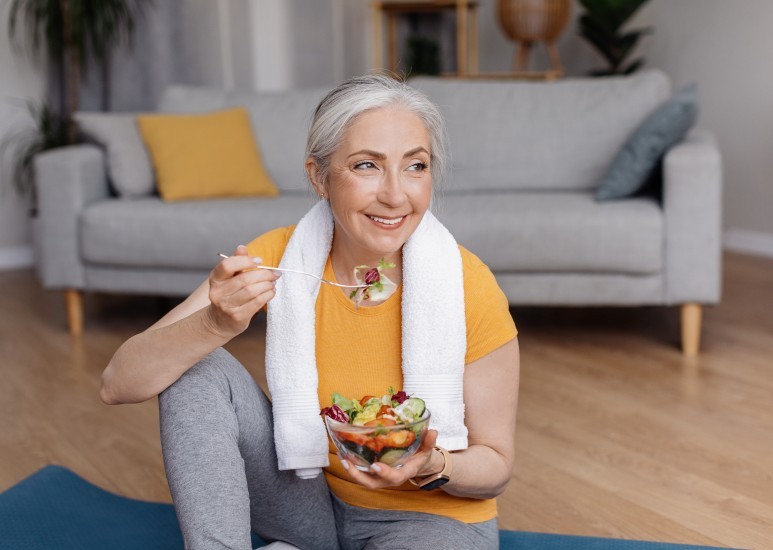
Whole grains, beans, fruits and vegetables help keep digestion moving and support a healthier gut, something researchers are paying closer attention to as they learn more about how colon cancer develops.
3. Move Your Body Regularly
You don’t need an intense workout routine to make a difference. Regular physical activity — like walking, biking or swimming — helps regulate digestion, maintain a healthy weight and reduce inflammation linked to colon cancer risk. Consistency matters more than intensity.
4. Watch Alcohol and Red Meat Over Time
Dr. Nair often tells her patients that diet patterns matter more than any single meal. Simple changes, like planning meatless meals or cutting back on alcohol, can lower risk over time.
“Eating large amounts of processed meats and red meats, along with heavy alcohol use, has been linked to higher colorectal cancer risk. Moderation is the goal,” she advises. Newer studies suggest heavy alcohol use may increase colorectal cancer risk by approximately 25%.
5. Don’t Smoke — Your Colon Feels It, Too
Smoking is often associated with lung cancer, but its effects reach far beyond the lungs. Long‑term smoking increases the risk of colorectal cancer as well. Quitting lowers that risk over time and improves overall health.
If you need help quitting, your care team can connect you with support and resources.
Why Screening Matters — and How To Choose the Right Option
Even with healthy habits, screening plays a critical role in colon cancer prevention.
At Community Health Network, providers such as Dr. Nair help patients choose the screening option that fits their health history.
What matters most is getting screened at the recommended age and following through if additional testing is needed.
Colon Cancer Screening Options: What’s the Difference?
Colonoscopy
What it is: A procedure that lets a doctor look directly at the entire colon.
What it can do:
✅ Finds cancer early
✅ Finds and removes polyps
✅ Helps prevent cancer
Things to consider:
❌ Requires bowel prep
❌ Requires sedation and time away from work
Best for: People who want the most thorough screening option, have a higher risk of colorectal cancer or need follow-up testing.
Blood-Based Test
What it is: A routine blood draw that checks for signs of existing cancer.
What it can do:
✅ Simple and quick
✅ No prep required
✅ May help people begin screening
Things to consider:
❌ Doesn't remove polyps
❌ Misses most precancerous growths
❌ Abnormal results require a follow-up colonoscopy
Best for: Average-risk adults age 45 and older who have avoided other screening tests.
At-Home Stool Test
What it is: A test completed at home that looks for blood or DNA changes in stool.
What it can do:
✅ Noninvasive
✅ No sedation required
✅ Can be completed at home
Things to consider:
❌ Requires repeat testing
❌ Abnormal results require a follow-up colonoscopy
Best for: People who prefer at-home screening and are willing to complete testing regularly.
Interested in learning more about at-home stool tests, including the fecal immunochemical test (FIT), which uses antibodies to detect hidden blood in the stool? Read about FIT testing from the CDC or explore our related article on colon cancer screening options.
Key Things To Know
- Age 45 is now the recommended starting age for most adults to begin colorectal cancer screening.
- Blood and stool tests can help people start screening.
- Colonoscopy is the only test that can both detect and prevent cancer by removing polyps.
- Any abnormal result from a blood or stool test still requires a follow‑up colonoscopy.
When Blood Tests May Not Be the Right Choice
Doctors typically recommend colonoscopy first if you:
- Have a personal or family history of colorectal cancer or polyps
- Have inflammatory bowel disease (Crohn’s disease or ulcerative colitis)
- Have known genetic risk factors
- Have symptoms like ongoing abdominal pain, unexplained bleeding or bowel changes
The Bottom Line
There isn’t one “right” screening for everyone. If you’re unsure where to start, a conversation with your doctor can help you decide.
Take Community Health Network’s Colon Cancer Risk Assessment to learn more about factors that may affect your risk and whether screening is right for you.
To schedule a colonoscopy or learn more, call 800‑777‑7775.
Meet Kavitha Nair, MD

Dr. Kavitha Marie Nair is a board-certified gastroenterologist and transplant hepatologist with Community Physician Network Gastroenterology Care. She specializes in digestive health, liver disease and colorectal cancer screening, and prevention.
Dr. Nair earned her medical degree from Indiana University School of Medicine and completed her internal medicine residency and gastroenterology fellowship at Emory University.
She is board certified in internal medicine, gastroenterology and transplant hepatology by the American Board of Internal Medicine. Dr. Nair sees patients at Community Health Network locations in Indianapolis and is accepting new patients.