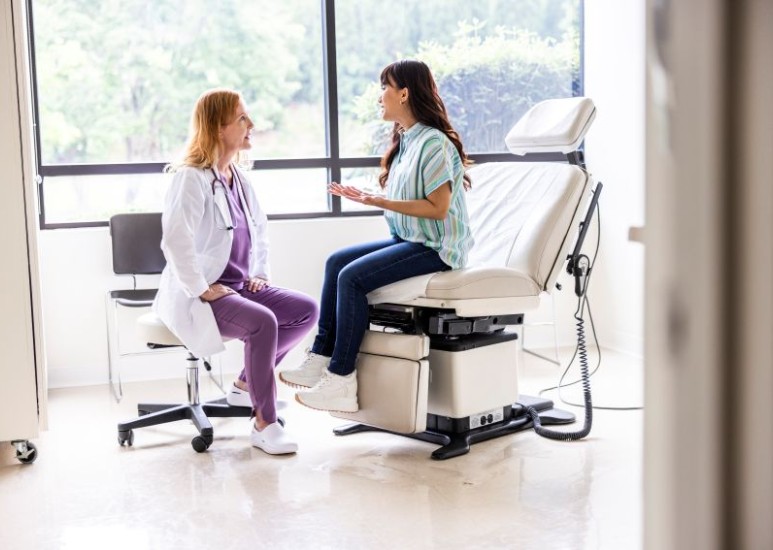
Understanding the value of primary care is easy. A primary care physician can help you stay on top of preventive visits and screenings, support you in making important changes to improve your well-being, and address health questions and concerns as they come up. But finding one who’s right for you can be more complicated.
The search can feel overwhelming because several important factors will guide your decision. Some relate to your care — including the physician’s background and credentials, whether their experience aligns with your health needs, and whether you feel comfortable building a relationship with them. Other considerations, such as insurance coverage and office location, are more practical. But together, they all matter.
Here’s what to keep in mind as you look for a primary care physician.
Consider Your Healthcare Needs
When searching for a primary care physician, start by identifying your healthcare needs for your current stage of life. This could include:
- Family planning
- Age-based screenings
- Sexual health
- Care for chronic conditions
- Health risks based on your personal or family medical history
Your family’s needs may also play a role in your search. If you’re choosing a physician for more than just yourself, you may want someone who can care for your entire family.
“You know your health history, your family history and your goals better than anyone. Look for a physician who’s prepared to support your needs, listen to what matters to you and respect you for who you are,” says Jordan Phelps, DO, family medicine physician with Community Health Network. “Also, your needs will naturally change over time, so it’s important to find someone who can adapt with you.”
Thinking through these needs can help you look for a physician whose experience and approach align with what matters most to you — both now and in the future.
Look for a Physician You Can Trust
A physician’s clinical experience matters, but so does your ability to connect with them over time. You should feel comfortable speaking openly, asking questions and sharing what’s important to you — even when a topic feels personal or difficult. An effective primary care physician will:
- Listen and take your concerns seriously. You should feel heard rather than rushed or dismissed.
- Make room for your questions. A good conversation gives you time to ask what you need and receive answers you understand.
- Respect who you are. Your identity, values and lived experiences should be respected as important parts of your care.
- Treat you as a partner. Your physician should include you in decisions, not tell you what to do.
- Explain your options. When more than one option is available, your physician should help you understand the benefits and considerations of each path before recommending an approach for your specific circumstances.
- Help coordinate additional care. Your physician should recognize when you may benefit from another resource or specialist and help you take the next step.
While relationships take time to develop, early conversations can tell you a lot about a physician’s communication style and if it’s right for you.
“A physician can be highly qualified and still not be the right fit for every patient — and that’s OK,” says Dr. Phelps. “We want you to ask questions, talk with us about what’s important to you and get a sense of whether you’ll feel comfortable working with us. Finding someone you trust is an important part of building a relationship that can support your health over time.”
Confirm That Care Is Accessible
Finding a physician that you connect with is just one part of the equation. Practical details like travel time, insurance coverage and how easily you can get an appointment can make a difference in your ability to get care when you need it. Your priorities may vary, but common considerations include:
- Location and travel time
- Office hours
- Appointment availability
- Same-day or virtual care options
- Whether the physician accepts your insurance
- Hospital or health system affiliation
- Accessibility or language needs
- Communication options, such as a patient portal
Research the Physician and Practice
Once you’ve identified your priorities, take some time to learn about the physicians and practices you’re considering. Physician profiles can tell you about their education, credentials and experience, while the practice website may offer more information about available services, office policies and the overall approach to care.
Recommendations and online reviews may also provide helpful perspective — but remember that someone else’s experience may not reflect what matters most to you. Use what you learn to narrow your options and identify any questions you’d like to ask before scheduling.
Questions to Ask Before Choosing a Primary Care Physician
Online research can help you narrow your options, but the best way to get a feel for a physician is by meeting them. Asking a few focused questions during your initial visit can give you a sense of their expertise, communication style and what it might be like to work with them:
- How do you get to know your patients and what matters to them?
- How do you involve patients in decisions about their care?
- If something comes up between visits, what’s the best way to reach you or your care team?
- If I need to see a specialist, what does the referral process look like?
- If I need care and you’re not available, how will your team help me?
- What should I expect at my first appointment?
You don’t need to ask every question or make a decision right away. Focus on the information you still need and whether the conversation helps you feel confident taking the next step.
Find Your Primary Care Physician at Community
Whatever your needs might be, our family medicine practice in Fishers, Indiana, is here for you. Our physicians care for adults and children of all ages, offering sick visits, preventive screenings and support for chronic conditions while helping you plan for your long-term health.
Explore services at Family Medicine Care – Allisonville or call 317-621-5560.
Medically reviewed by Jordan Phelps, DO, family medicine physician with Community Health Network.
About Jordan Phelps, DO
 Jordan Phelps, DO, earned a doctor of osteopathic medicine degree from Marian University College of Osteopathic Medicine and completed a family medicine residency at Community South Osteopathic Family Medicine. Dr. Phelps is board certified by the American Board of Osteopathic Family Physicians and is a member of the American Academy of Family Physicians.
Dr. Phelps provides comprehensive family medicine care with special interests in preventive health, LGBTQ+ health, HIV pre-exposure prophylaxis (PrEP) and gender-affirming hormone therapy.
In his free time, Dr. Phelps enjoys reading, gardening and spending time with his dog.