Treating obesity can improve your health, confidence and quality of life, but it can also come with unexpected changes.
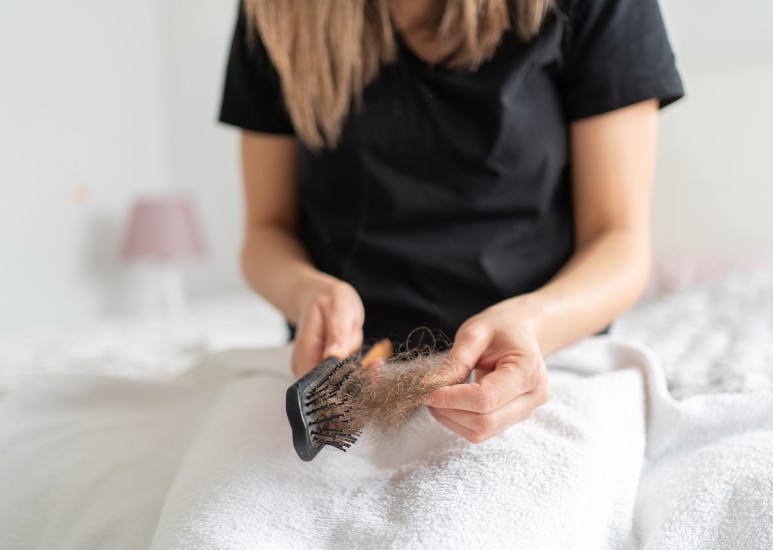
Maybe you're feeling stronger, moving more easily or seeing the progress you've worked hard to achieve. Then one day, you notice more hair than usual in your brush, in the shower drain or on your pillow.
If that sounds familiar, you're not alone. Hair shedding is a common concern during a weight-loss journey, and it can feel discouraging when you're making positive changes for your health.
The good news? For most people, the shedding is temporary. Once your body adjusts and your nutritional needs are met, healthy hair growth typically returns.
Understanding why hair loss happens during obesity treatment — and what you can do to support your body along the way — can make the experience feel less alarming and more manageable.
Why Does Hair Shedding Happen with Obesity Treatment?
Temporary shedding after significant weight loss is often caused by a condition called telogen effluvium, a normal response to physical stress on the body.
"During periods of rapid weight loss with medication or after bariatric surgery, your body goes through a significant amount of physiologic stress as it adjusts," explains Amy Hess, MD, an obesity medicine specialist with Community Bariatric and Medical Weight Management. “When that happens, the body prioritizes nutrients and resources for vital organs and functions. Hair growth temporarily becomes a lower priority."
This shift can cause more hair than usual to enter the resting phase of the hair growth cycle. A few months later, those hairs begin to shed.
When Does Shedding Usually Start?
One of the most common questions patients ask is, "Why am I losing hair three months after bariatric surgery?"
According to Dr. Hess, that's often when shedding becomes most noticeable.
"Most people begin noticing increased shedding about two to five months after surgery or rapid weight loss," Dr. Hess notes. "That timing is related to the natural hair growth cycle and the delay between the stress on the body and the actual shedding."
Will My Hair Grow Back?
Yes. "The biggest misconception is that the hair isn't going to grow back, but in most cases, the hair loss is temporary," Dr. Hess reassures patients.
While shedding can feel alarming, it is usually a sign that your body is adapting to weight loss, not that permanent damage has occurred. As nutritional deficiencies are identified and treated, hair growth typically resumes.
“Many patients begin seeing noticeable regrowth within about six months after their nutrition and overall health stabilize,” Dr. Hess says.
When Should You Seek Care for Hair Loss?
Some increased hair shedding after significant weight loss is normal. However, if the shedding seems excessive, lasts longer than expected or is accompanied by other symptoms, it may be a sign of a nutritional deficiency, a scalp condition or another underlying health concern that should be evaluated.
Contact your healthcare provider if you notice:
- Circular or patchy bald spots
- Redness, irritation or scaling of the scalp
- Hair loss that continues beyond six to nine months
- Fatigue or weakness
- Pale skin
- Brittle nails
4 Ways To Support Healthy Hair Growth
1. Prioritize Protein Intake
Protein remains one of the most important nutrients for healthy hair growth and recovery during obesity treatment. Hair is primarily made of protein, so inadequate intake may contribute to shedding, muscle loss and poor recovery.
While older bariatric guidance often recommended a minimum of 60 grams of protein per day, recommendations today are becoming more individualized.
"We're moving into an era of more personalized nutrition," says Dr. Hess. "But for many patients pursuing obesity treatment, I commonly recommend somewhere in the range of 80 to 100 grams of protein per day."
An easy goal is to aim for 20 to 30 grams of protein per meal and include a protein-rich snack if needed. Examples of high-protein foods include:
- Chicken and turkey
- Fish and seafood
- Eggs
- Greek yogurt
- Cottage cheese
- Protein shakes
- Beans and lentils
- Tofu and soy products
2. Take Your Vitamins Consistently
Vitamin and mineral deficiencies are a well-known cause of hair loss after significant weight loss. Dr. Hess encourages patients to take prescribed supplements consistently and attend routine follow-up appointments to monitor nutritional status.
Many patients can benefit from a multivitamin that contains iron, but individual recommendations vary based on surgery type, medical history and lab results.
3. Monitor Iron and Other Key Nutrients
Iron deficiency remains one of the most common nutritional causes of hair loss. Ferritin, a marker that reflects iron stores in the body, is often checked when patients experience ongoing hair shedding.
Other nutrients that may affect hair health include zinc, vitamin B12, folate and vitamin D.
"Don't be afraid to ask your doctor about checking vitamin levels, iron studies or ferritin if you're concerned," Dr. Hess encourages.
4. Be Careful with Hair-Loss Supplements
While it may be tempting to try the latest hair-growth product, addressing nutrition and overall health is typically more important than adding another supplement. Many products marketed for hair growth make big promises, but not all are supported by strong scientific evidence.
"Talk with your healthcare provider before starting any supplement," Dr. Hess advises. "There are a lot of products and advertisements that sound convincing but aren't necessarily backed by good evidence."
For example, biotin is commonly marketed for hair health, but evidence supporting its effectiveness is limited for many patients. Some supplements can also interfere with lab testing or contribute to vitamin toxicity if taken in excess.
Can GLP-1 Medications Cause Hair Loss?
Patients taking medications such as semaglutide and tirzepatide, or other GLP-1-based treatments sometimes report hair shedding.
"When we see hair shedding, it's often related to weight loss, changes in nutritional intake or underlying nutrient deficiencies rather than the medication directly," Dr. Hess states.
This is one reason why protein intake, routine monitoring and follow-up care remain important during any major weight-loss journey.
Hair Loss Doesn't Mean Your Journey Is Failing
Dealing with hair loss can be frustrating and emotional, especially when you've worked hard to improve your health. But in most cases, shedding during a weight-loss journey is temporary and isn’t a sign that you've done anything wrong.
"Hair loss isn't always completely preventable, but there are things patients can do to reduce its severity and support healthy regrowth," Dr. Hess emphasizes.
With time, proper nutrition and the right support, most patients see improvement and healthy hair growth returns. If you're concerned about ongoing shedding, don't hesitate to talk with your healthcare team.
Your Next Steps
Whether you're considering bariatric surgery, interested in medication or lifestyle treatment for obesity, or need support following a bariatric procedure, Community Bariatric and Medical Weight Management can help.
About Amy Hess, MD
Amy Hess, MD, is an obesity medicine specialist with Community Bariatric and Medical Weight Management. She is passionate about helping patients treat their obesity and improve their overall health through evidence-based, personalized care.
Dr. Hess specializes in obesity medicine and metabolic health. She views obesity as a complex, chronic disease influenced by many factors, including nutrition, physical activity, sleep, mental health and underlying biology. Her approach focuses on helping patients understand those factors and develop realistic, long-term strategies for success.
Dr. Hess earned her medical degree from the University of Louisville School of Medicine and completed her internal medicine residency at The Ohio State University Hospitals. She is board certified in Internal Medicine and is an American Board of Obesity Medicine (ABOM) certified obesity medicine specialist.
Before pursuing medicine, Dr. Hess earned a degree in nutrition, which continues to influence her approach to whole-person health and weight management. She believes every patient deserves to feel heard, supported and empowered throughout their health journey. Her goal is to help patients become the healthiest version of themselves in a judgment-free environment where they are actively involved in decisions about their care.
Dr. Hess is accepting new patients at Community Bariatric and Medical Weight Management in Indianapolis.