Babies come with a load of questions! We spoke with Dr. Kathleen Polonka, a pediatrician with Community Physician Network, to get to the bottom of the most common questions about caring for newborns.
“Having a baby is an exciting and wonderful time!” says Dr. Polonka. “Children bring so much joy, but parenting can feel very overwhelming at times. The pediatric team at Community is here to support you and your family in any way we can.”
Worries About Weight
“The most common concern I hear from parents is whether their baby is at a healthy weight,” says Dr. Polonka. “It’s normal for babies to lose a bit of weight during their first few days at home. Most babies will regain their birthweight within the first one to two weeks.”
If you’re concerned about your baby’s weight, keep notes on feeding and dirty diapers. That information can help your pediatrician understand if your baby is getting the right amount of nutrition for healthy growth.
Skin-To-Skin Contact: Is It Important?
Yup! The hour of uninterrupted skin-to-skin contact with your baby right after delivery is called the “golden hour.” That contact helps your baby regulate the temperature of their body, helps their heart rate stabilize, and helps promote breastfeeding.
Even after delivery, skin-to-skin contact with both parents promotes bonding with baby. It allows baby to feel secure and helps parents to tune into their baby’s needs.
Feeding: Breast Milk vs. Formula
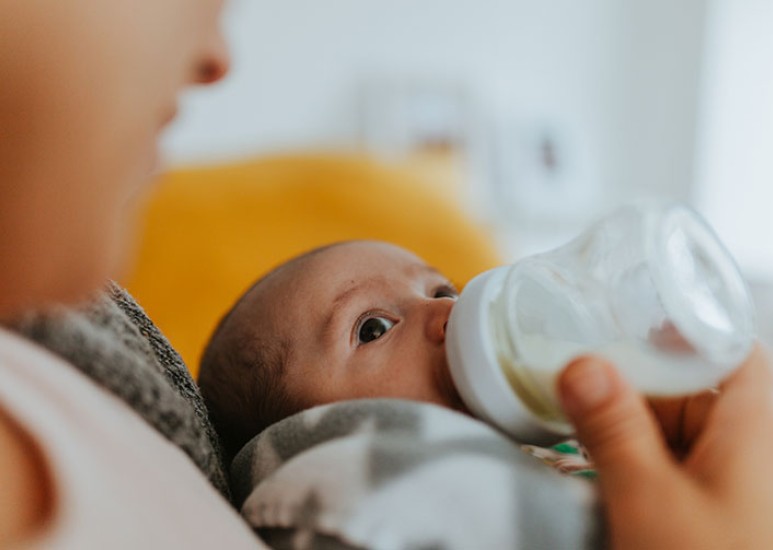
We know that breast milk offers the optimal nutrition for the first six months, but there is absolutely no shame in going straight to formula.
“Breast milk offers numerous benefits for both mom and baby. However, what matters most is that your baby is growing and gaining weight. Whether you're using breast milk or formula, your baby knows their needs are being met and they'll develop a secure attachment to you." feeding is great bonding time, either way.
Nighttime Safety
“Remember your ABCs!” says Dr. Polonka. Your baby should be:
- A: Alone. Babies should sleep alone, with no stuffed animals, blankets, pillows or bumper pads.
- B: On their Back. Not on their front, or in any other position.
- C: In their Crib (or bassinet). Don’t put your baby to sleep in an incline sleeper or car seat, since they might reposition themselves in a way that can impact their breathing.
Sleep Cycles: Will I Ever Get a Good Night’s Rest Again?
You will! It’s normal for babies to wake up every two to three hours for feeding during the first few months. Around four to six months babies start to self-soothe, so they’ll likely start sleeping for longer stretches of time.
“Unfortunately, babies can go through sleep regressions even after they learn to self-soothe,” says Dr. Polonka. “But all's not lost! Keep a consistent sleep routine, with the same steps every night, and their sleep will improve.”
Vaccines for Babies: Are They Safe?
Absolutely! “Vaccines prevent many diseases that are either life-threatening or life-altering for your baby,” says Dr. Polonka. “Pneumonia, meningitis, and pertussis are just a few examples of deadly diseases we are protecting against with vaccines.”
Your baby will receive their first Hepatitis B vaccine while he or she is in the hospital. Depending on the time of year, mom or baby will be offered RSV protection, as well. Most other vaccines will start at two months old. If you have questions about vaccines, your physician is an open book. You can learn more about childhood vaccines right here.
Babies and Illness
One safety note here: if your baby is under two months old or has a fever of 100.4 or higher, call your pediatrician or go to the hospital right away.
Here are a few simple steps you can take to keep your baby safe from illnesses such as influenza, COVID-19 and RSV:
- Limit visitors as much as you can the first few months, especially during cold and flu season.
- If you have visitors, have them wash their hands to limit your baby's exposure. If they aren't feeling well, have them visit another day.
- Stay up to date on routine well visits and vaccines.
If you want to learn more, see what pregnant women need to know about COVID-19.
For more information on care for your newborn, visit our pediatrics page.