What Is Esophageal Cancer?
Esophageal cancer develops when abnormal cells grow in the lining of the esophagus and form a tumor. In some cases, the cancer can grow through the lining into deeper layers of the esophageal wall. Although it is less common than some other cancers, it is a serious condition and remains a leading cause of cancer-related deaths worldwide.
Types of Esophageal Cancer
The two most common types of esophageal cancer are:
- Adenocarcinoma: Begins in the lower esophagus and is often associated with frequent heartburn (GERD), obesity and smoking.
- Squamous cell carcinoma: Typically develops in the middle or upper areas of the esophagus and is often associated with smoking and alcohol use.
Less common forms of esophageal cancer include neuroendocrine tumors and lymphoma.
Who Is at Risk?
Your risk of developing esophageal cancer may be higher if you:
- Are age 55 or older
- Are male
- Have chronic heartburn or acid reflux (GERD)
- Have Barrett's esophagus, a condition caused by long-term acid reflux
- Use tobacco products, including smoking
- Drink alcohol frequently or in large amounts
- Are overweight or obese
- Eat a diet low in fruits and vegetables
Other, less common factors may also increase risk. Talk with your doctor about your personal risk, especially if you have ongoing symptoms such as difficulty swallowing or persistent heartburn.
*For help with quitting smoking, call 800-QUIT-NOW or visit https://quitnowindiana.com.
Symptoms of Esophageal Cancer
Symptoms of esophageal cancer may not appear early on. As the cancer grows, it can begin to affect swallowing, digestion and overall comfort.
Early Symptoms
Early symptoms may include:
- Painful swallowing
- Persistent heartburn or indigestion that doesn't go away
- Chest pain, pressure or burning, especially after swallowing
- Chronic cough or hoarseness
- Reduced appetite
- Persistent hiccups
Later-Stage Symptoms
As esophageal cancer progresses, symptoms may include:
- Difficulty swallowing solid foods, or a feeling that food is stuck
- Unexplained weight loss
- Vomiting or regurgitating food
- Black stools, which may indicate internal bleeding
- Weakness and fatigue, often related to anemia
- Pneumonia, from food or liquid getting into the lungs due to swallowing issues
When To See a Doctor
Many of these symptoms can be caused by other conditions and do not necessarily mean cancer. However, if symptoms do not improve or continue to worsen over time, it’s important to talk with your doctor for evaluation.
Getting a Diagnosis
To diagnose esophageal cancer, your provider will start with a physical exam and review your medical history. If esophageal cancer is suspected, additional tests may be recommended to examine the esophagus more closely and confirm a diagnosis.
Tests Used To Diagnose Esophageal Cancer
Common tests may include:
- Barium swallow study: A special X-ray that helps highlight changes or narrowing in the esophagus
- Endoscopy (esophagoscopy): A thin, flexible tube with a camera is used to examine the inside of the esophagus and identify abnormal areas
What Happens Next
If abnormal tissue is found, your care team may take a small sample (biopsy) to confirm whether cancer is present. Additional imaging tests may also be used to determine the stage of the disease and help guide treatment planning.
Treatment Options for Esophageal Cancer
What to expect from your treatment plan:
- A combined approach: Treatment may include a combination of surgery, radiation therapy, chemotherapy or immunotherapy.
- Personalized for you: Your care plan is based on the type of cancer, tumor size and stage, tumor location and your overall health.
- Multidisciplinary team: Your thoracic oncologist works closely with a coordinated care team to guide your care every step of the way.
Minimally Invasive Surgery
In some cases, esophageal cancer may be treated using minimally invasive surgery, including procedures such as esophagectomy to remove tumors in the esophagus.
This approach can help reduce pain, shorten recovery time and improve overall outcomes. Our thoracic oncologists are specially trained in these advanced techniques.
Your care team will recommend the most appropriate treatment plan based on your specific needs and goals.








 Dr. Rachit Gupta specializes in minimally invasive thoracic oncology and is an expert in lung cancer, esophageal cancer, mediastinal malignancies (tumors in the central chest area) and benign thoracic diseases. He can perform robotic resections (surgical removal of tumors using robotic technology) of thoracic malignancies in all of these areas.
 Dr. Kenneth Kesler specializes in thoracic surgical oncology and is an expert in lung cancer, esophageal cancer, mediastinal malignancies (chest cavity tumors), and benign thoracic diseases. Prior to joining Community Health Network, Dr. Kesler was the surgical director of the Indiana University Thoracic Oncology Program, professor of surgery, and a faculty mentor to general and thoracic surgery residents.
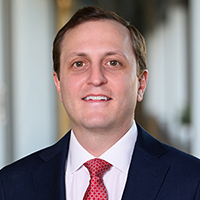 Dr. Joshua Preiss specializes in thoracic oncology with a focus on minimally invasive (VATS) and robotic thoracic surgery. He is an expert in the diagnosis and treatment of benign (non-cancerous) and malignant (cancerous) conditions of the chest, lung, esophagus and mediastinum (area between the lungs). His passions include working with cancer patients to develop and execute a successful care plan. Dr. Preiss is a Community Health Network MD Anderson Cancer Center provider.