Meet the WATCHMAN Physicians
Choosing a procedure like WATCHMAN is a big decision, and knowing who will be part of your care can help. At Community, WATCHMAN procedures are performed by experienced cardiologists who specialize in heart rhythm and structural heart care. Meet the physicians who are part of WATCHMAN program below.
Chanukya Dahagam, MD
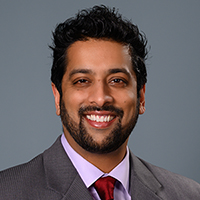 Dr. Chanukya Dahagam is a cardiac electrophysiologist with advanced training in the diagnosis and treatment of heart rhythm disorders. He specializes in the management of atrial fibrillation and other complex arrhythmias, with a clinical focus on advanced catheter‑based therapies to reduce stroke risk and improve quality of life. Dr. Dahagam sees patients in Indianapolis and Kokomo, Indiana.
Dr. Dahagam completed fellowship training in cardiac electrophysiology at the University of Missouri–Kansas City School of Medicine, following a cardiovascular disease fellowship at the Kirk Kerkorian School of Medicine at UNLV. He completed his internal medicine residency training at MedStar Union Memorial Hospital and MedStar Franklin Square Hospital Center. He earned his medical degree from Ross University Medical School.
Dr. Dahagam is board certified by the American Board of Internal Medicine in cardiac electrophysiology, cardiovascular disease and internal medicine.
Request Appointment
Robert William Godley, MD
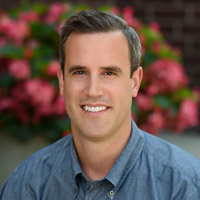 Dr. Bill Godley grew up in Fort Wayne, IN prior to receiving his bachelor degree from Northwestern University in Evanston, IL. He then went on to attend medical school at the Indiana University School of Medicine in Indianapolis, where he graduated with honors. Following this he completed his internal medicine residency at the University of Michigan in Ann Arbor. To round out his training, Dr. Godley completed general and interventional cardiology fellowships at the Texas Heart Institute in Houston, TX, where he served as chief cardiology fellow.
Dr. Godley has an interest in all areas of cardiac and vascular interventional medicine – including complex coronary and peripheral revascularization, as well as minimally-invasive interventions for structural and valvular heart disease.
Request Appointment
Vincent Keating, MD
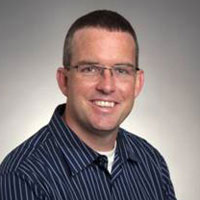 Dr. Keating joined Community Heart and Vascular in 2013, specializing in clinical cardiac electrophysiology. He attended Notre Dame for his undergraduate, and then Indiana University School of Medicine. He completed further training in internal medicine at Mayo Clinic Arizona.
Dr. Keating completed a two-year fellowship in cardiac electrophysiology, serving as chief electrophysiologist in his second year, at Aurora Healthcare (Milwaukee, Wisconsin). He also completed a cardiology fellowship at Aurora Healthcare.
Dr. Keating is board certified in cardiac electrophysiology, internal medicine and cardiovascular disease.
Request Appointment
Krishna C. Malineni, MD
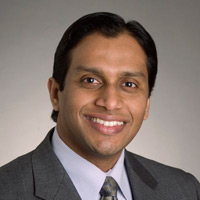 Dr. Malineni, board-certified cardiologist, joined Community Heart and Vascular in 2010. Previously, Dr. Malineni served as an electrophysiologist at Illinois Heart and Vascular in Hinsdale. He completed his fellowship in cardiology at the Rush University Medical Center in Chicago, Illinois and his fellowship in electrophysiology at Aurora Sinai Medical Center in Milwaukee, Wisconsin. He completed postgraduate training in internal medicine at Henry Ford Hospital in Detroit, where he was chosen as chief resident. Dr. Malineni attended Wayne State University, where he earned both his medical degree and bachelor of science in biology.
He is board certified in internal medicine, cardiovascular medicine and cardiac electrophysiology.
Request Appointment
Anil Purohit, MD
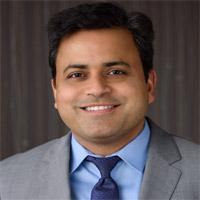 Dr. Purohit is a board-certified cardiac electrophysiologist and specializes in management of cardiac arrhythmias ranging from medical management to cardiac implantable devices such as pacemakers or defibrillators (AICDs) and radio-frequency catheter ablations.
Dr. Purohit completed his medical degree at the University College of Medical Sciences in New Delhi, India. He completed internal medicine residency training and a general cardiology fellowship at the University of Iowa. He then completed a cardiac electrophysiology fellowship at UCLA.
Request Appointment
Anil Ranginani, MD
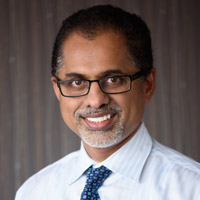 Anil Ranginani, MD received his medical degree at Kakatiya Medical College, Warangal, India. He is an experienced interventional cardiologist with a strong background in peripheral intervention and vascular care. Prior to joining Community, he worked as an interventional cardiologist at Mercy Hospital, Chicago.
His areas of expertise include coronary interventions, defibrillators, extracranial carotid interventions, nuclear cardiology, peripheral interventions, primary coronary angioplasties and vascular care.
Request Appointment
Michael A. Robertson, MD
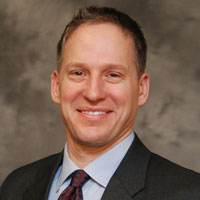 Dr. Robertson, interventional cardiologist, began his medical career in 2006. He completed his fellowships in both cardiovascular disease and interventional cardiology at the University of Colorado, as well as internship and residency in internal medicine. Dr. Robertson earned his medical degree from the University of Wisconsin School of Medicine.
He is board certified in internal medicine, cardiovascular disease and interventional cardiology.
Request Appointment