Meet the Thoracic Surgeons
Our thoracic surgeons are experts in the surgical treatment of lung cancer and other complex diseases of the chest, using advanced minimally invasive and robotic techniques whenever possible. All our surgeons are Community Health Network MD Anderson Cancer Center providers, offering patients innovative cancer treatment close to home in Central Indiana.
Rachit Gupta, DO
Thoracic Surgeon
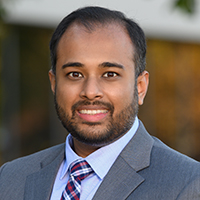 Dr. Rachit Gupta specializes in minimally invasive thoracic oncology and is an expert in lung cancer, esophageal cancer, mediastinal malignancies (tumors in the central chest area) and benign thoracic diseases. He can perform robotic resections (surgical removal of tumors using robotic technology) of thoracic malignancies in all of these areas.
Dr. Gupta is a member of the Society of Thoracic Surgeons (STS) and the American Association for Thoracic Surgery (AATS).
More About Dr. Gupta
Kenneth Kesler, MD
Thoracic Surgeon
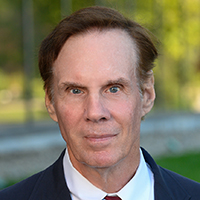 Dr. Kenneth Kesler specializes in thoracic surgical oncology and is an expert in lung cancer, esophageal cancer, mediastinal malignancies (chest cavity tumors), and benign thoracic diseases. Prior to joining Community Health Network, Dr. Kesler was the surgical director of the Indiana University Thoracic Oncology Program, professor of surgery, and a faculty mentor to general and thoracic surgery residents.
Dr. Kesler is a fellow of American College of Surgeons and a member of various societies, including American College of Chest Physicians, American Association for Thoracic Surgeons, American Society of Clinical Oncology, International Association for the Study of Lung Cancer, and International Society for Diseases of the Esophagus.
More About Dr. Kesler
Joshua Preiss, MD
Thoracic Surgeon
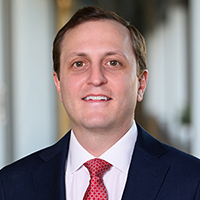 Dr. Joshua Preiss specializes in thoracic oncology with a focus on minimally invasive (VATS) and robotic thoracic surgery. He is an expert in the diagnosis and treatment of benign (non-cancerous) and malignant (cancerous) conditions of the chest, lung, esophagus and mediastinum (area between the lungs). His passions include working with cancer patients to develop and execute a successful care plan. Dr. Preiss is a Community Health Network MD Anderson Cancer Center provider.
Dr. Preiss has trained under world experts in thoracic oncology which has translated into many years of independent experience in providing safe and effective surgical care for complex thoracic pathology (advanced chest and lung conditions). Dr. Preiss is a member of the Society of Thoracic Surgeons.
More About Dr. Preiss
Ashish Pulikal, MD
Thoracic Surgeon
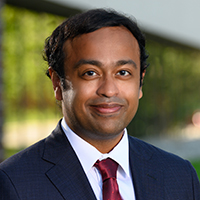
Dr. Pulikal’s primary clinical interests are in minimally invasive general thoracic surgery via video-assisted thoracic surgery (VATS) and robotics. This includes anatomic lung resection (removing a portion of the lung) and esophagectomy (surgery to remove part of the esophagus) for benign and malignant disease. Dr. Pulikal is proficient in surgical management of complex primary mediastinal tumors, chest wall resection and reconstruction (removing and rebuilding part of the chest cage), and thoracic trauma.
Dr. Ashish Pulikal completed an integrated residency in cardiothoracic surgery and was administrative chief resident at UNC. He has been a member of the surgical simulation center at UNC teaching multiple courses for medical students, nurses and APPs in bedside and operating room surgical thoracic care.
More About Dr. Pulikal